Hiring an industrial commercial contractor in San Tan Valley, AZ means working inside a county permitting system, not a city one, and that single fact changes your schedule more than any other decision you make. This guide covers scope, 2026 planning costs, Pinal County review timelines, the wind and seismic criteria your building has to be designed to, and the checks that separate a real commercial builder from a residential outfit with a nice truck wrap.
What an Industrial Commercial Contractor Handles Here
Most owners in San Tan Valley land in one of three situations:
- Building new on raw dirt (warehouse and distribution shells, flex industrial, small retail pads, light manufacturing).
- Fitting out a leased shell before opening.
- Reworking a building the business already operates out of, without closing.
Each has a different budget shape, a different permitting load, and a different tolerance for schedule slip.
Commercial New Builds
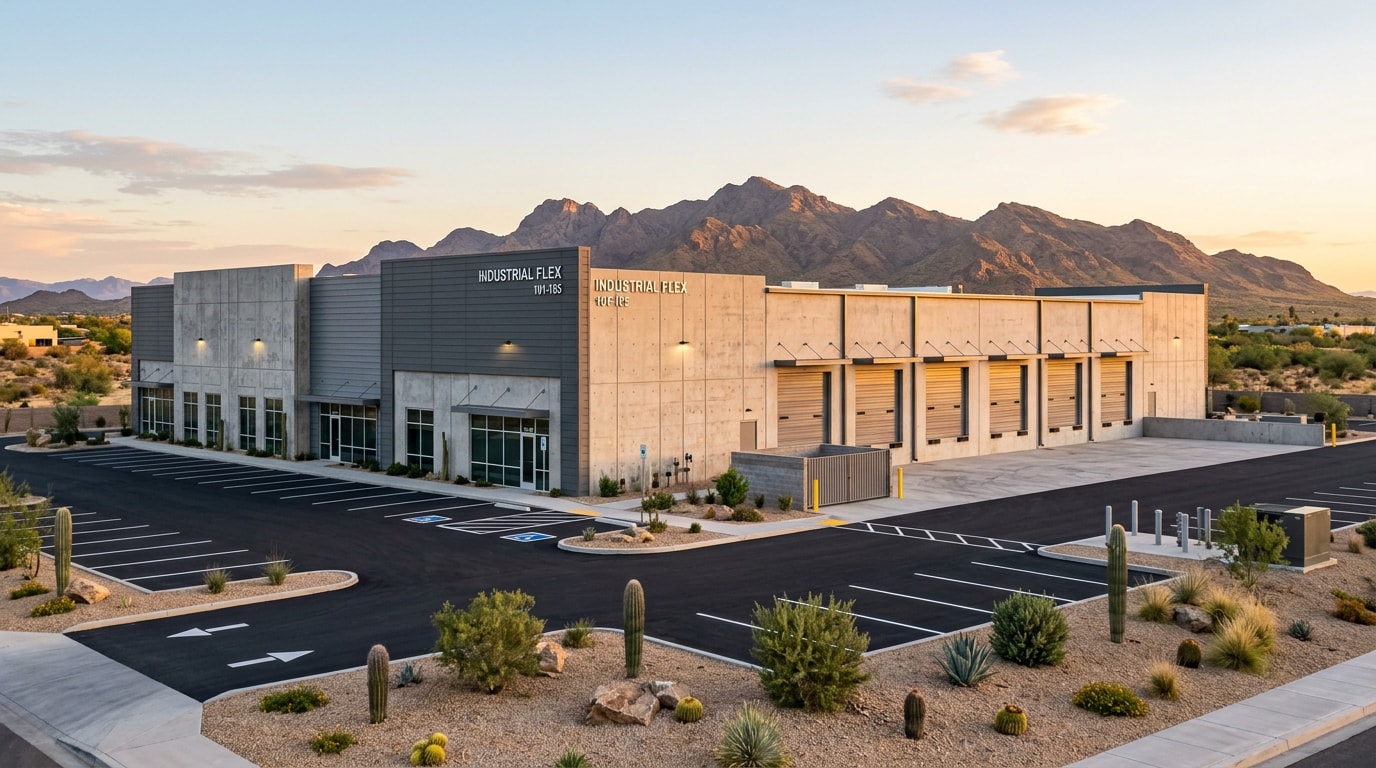
Ground-up construction runs from foundation to finish, with the contractor carrying permits, inspections and trade coordination.
The front half of the job is where money is won or lost. Site access, utility stubs, drainage and grading all get locked before a slab is poured, and reworking any of them later is expensive.
Our general contracting services cover that early work alongside vertical construction.
Tenant Improvements
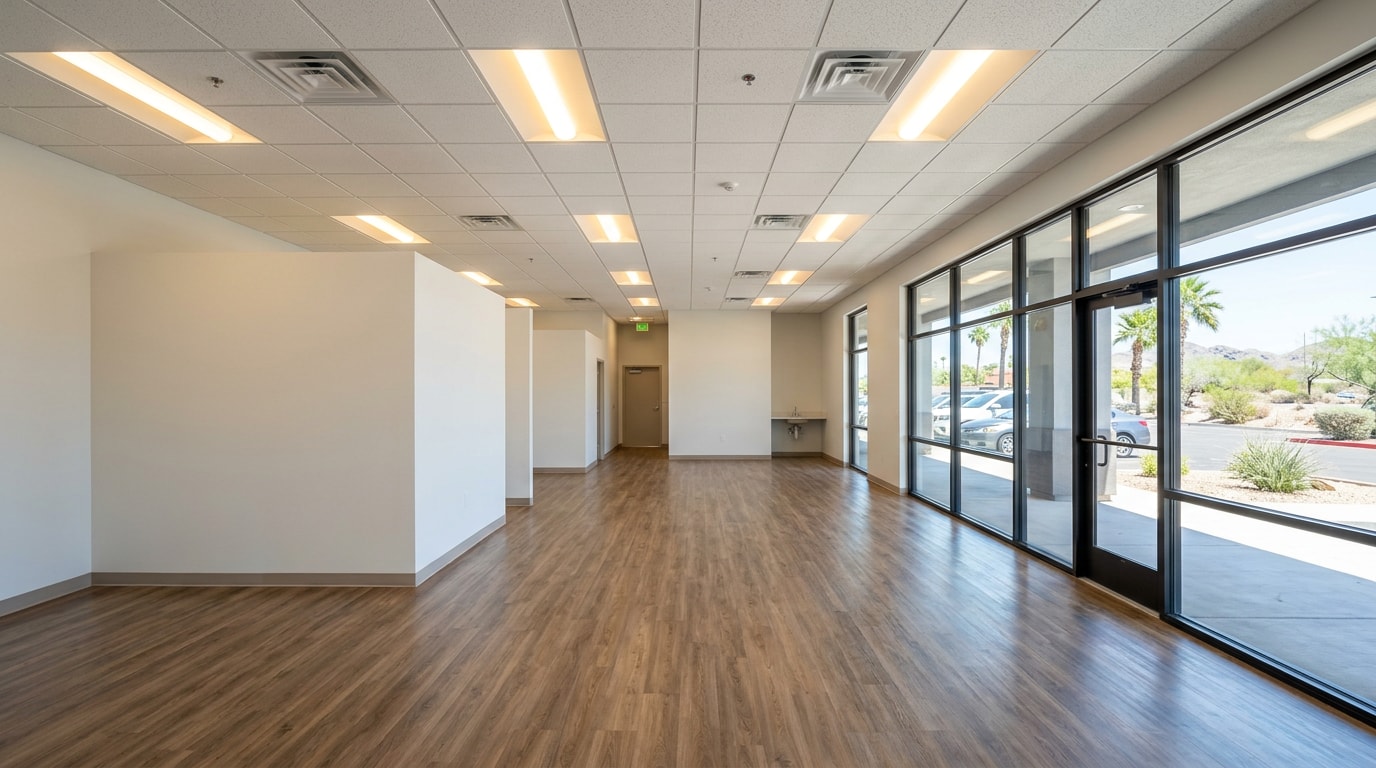
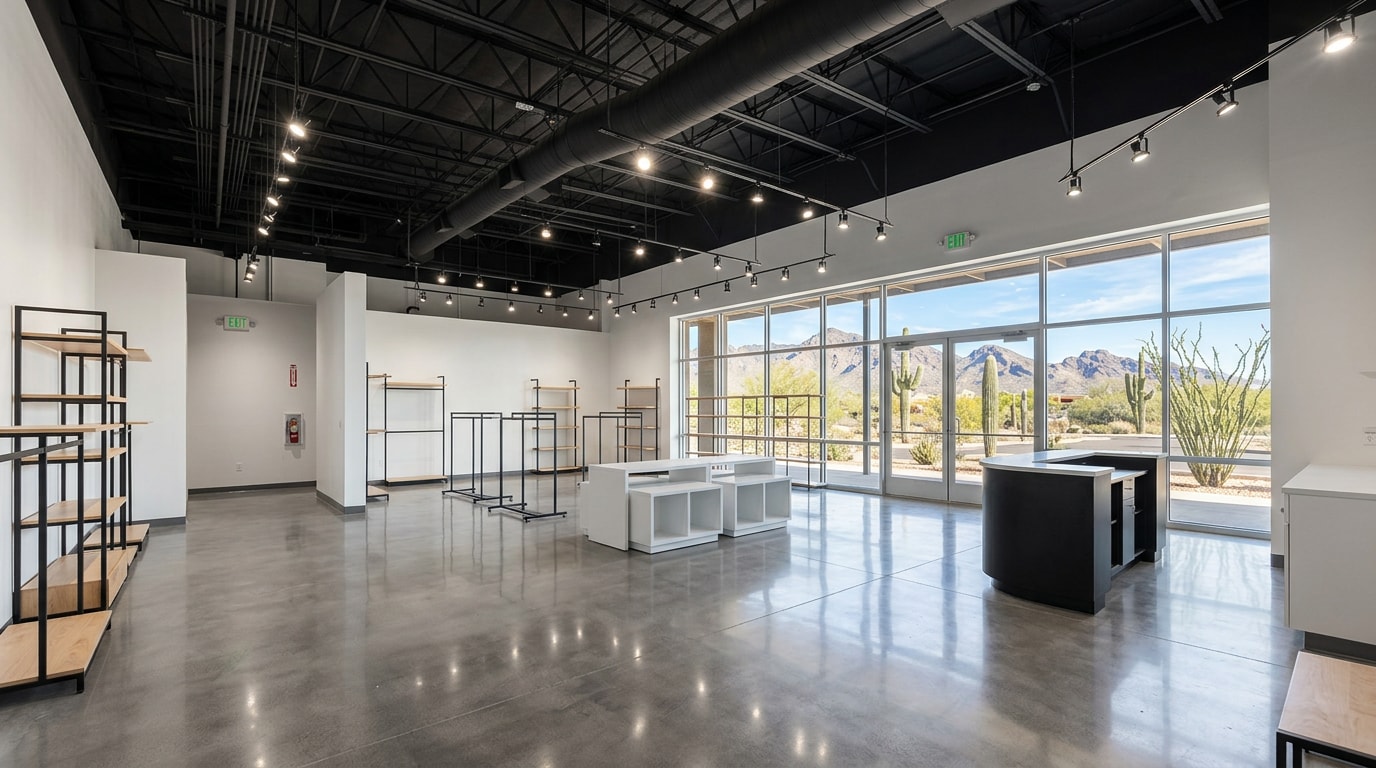
Tenant improvements, also called leasehold improvements, are the interior build-outs that turn a leased shell into usable space: partitions, ceilings, flooring, lighting, HVAC distribution and finishes.
Four deal structures show up most often:
- TI allowance stated in dollars per square foot.
- Turn-key build-out, where the landlord delivers finished space.
- Flat dollar contribution from the landlord.
- Rent abatement in place of cash.
Under an allowance or a flat amount, the tenant absorbs overage. Under turn-key, the landlord does, but you get less control over finishes and schedule.
One sequencing lesson from our own walk-throughs: price the build-out before you sign. The most common expensive surprise we find in San Tan Valley shells is mechanical and electrical capacity sized for warehouse use, not for the office, server room or process load the tenant is about to drop into it. Upsizing a service after lease execution is a change order with no leverage behind it.
If you want the deal-side detail, our breakdown of tenant build-out costs and permits walks the same process start to finish.
Interior scope usually touches interior wall installation and commercial flooring installation, both of which drive the finish schedule more than owners expect.
Commercial Remodels in Occupied Buildings
Remodeling a building that is still trading is a phasing problem, not a drywall problem.
Protecting uptime means after-hours and weekend work, zone-by-zone release, temporary partitions, and dust and life-safety separation between the work area and the public. Egress and fire protection have to be intact every night the doors reopen.
2026 Cost Planning Bands
There is no published per-square-foot figure for San Tan Valley commercial work, so treat the table below for what it is: the planning bands we use when scoping Pinal County projects in 2026, before design. They are not quotes, and they exclude land, offsite improvements, impact fees, furniture and equipment.
| Scope | 2026 planning band | What moves it |
|---|---|---|
| Warehouse or flex TI, minimal MEP | $25 to $55 / sf | Lighting, dock work, slab repair |
| Office TI in an existing shell | $45 to $95 / sf | HVAC distribution, glass, ceiling grid |
| Restaurant, medical or lab TI | $150 to $350+ / sf | Grease, gas, plumbing, exhaust, gas-fired equipment |
| Pre-engineered metal building shell, erected on a prepared pad | $30 to $60 / sf | Span, eave height, insulation, door count |
| Ground-up flex or light industrial, building only | $120 to $220 / sf | Site work, fire sprinkler, office percentage |
Two line items blow up budgets more than finishes: fire sprinkler coverage triggered by a use change, and electrical service upsizing. Price both during due diligence.
Permits: Who Reviews Your Plans and How Long It Takes
Most of San Tan Valley is unincorporated Pinal County, so plan review and inspections run through the county, not a city building department. Some addresses on the northern and eastern edges fall inside Queen Creek or Florence town limits, so confirm jurisdiction by parcel before anyone starts drawing.
Pinal County publishes estimated review times in business days, and they are longer than most tenants assume. A commercial tenant improvement carries a 10-day administrative completeness review, a 30-day first substantive review, and a 45-day overall time frame, while a commercial building permit between 2,501 and 50,000 square feet runs 35 days for first substantive review and 50 days overall. Projects of 50,001 square feet or greater require third-party review, with a 45-day first review and a 60-day overall time frame.
| Permit type | Administrative completeness | First substantive review | Overall time frame |
|---|---|---|---|
| Commercial tenant improvement | 10 days | 30 days | 45 days |
| Commercial building permit, 2,500 sf or less | 10 days | 30 days | 45 days |
| Commercial building permit, 2,501 to 50,000 sf | 10 days | 35 days | 50 days |
| Commercial building permit, 50,001 sf or greater | 10 days | 45 days | 60 days |
Two caveats that quietly add weeks: all commercial projects are pending approval of site plan review, and review times only begin when the application is accepted as complete .
Submittal details worth knowing before you draw:
A code analysis is required on the cover sheet, and complete construction documents must include the architectural site plan, foundation plan, floor plan, roof framing plan, shear wall plan, exterior elevations, framing and foundation details, electrical, plumbing and mechanical plans, and a COMcheck report or Manual J and S.
Pinal County uses ICC A117.1-2017 for accessibility compliance.
When fire sprinklers and alarms are required by code, fire plans are listed as a deferred submittal on the building plans and submitted separately.
Commercial and tenant improvement permits can be applied for online, and inspections are scheduled through an automated inspection line.
You can pull the current bulletins and fee schedule directly from Pinal County Building Safety before your design team starts. Our team handles submittal, resubmittal and inspection coordination on every project we build; tell us the parcel and we will tell you which jurisdiction you are in.
How to Vet a Commercial Contractor in San Tan Valley
Pick on what can be checked, not on what sounds good in a meeting.
- Verify the license yourself.
The Arizona Registrar of Contractors lets you enter a 6-digit license number or name, with advanced search by city, classification and status. Run it at the AZ ROC contractor search.
- Check the classification, not just the status. A residential classification does not cover a commercial shell or an industrial TI.
- Confirm bonding capacity and insurance. Ask for certificates naming you as additional insured, and confirm the bond amount fits the contract value.
- Ask for Pinal County specifics. Years working under county review, projects in your use type, and two references from owners whose buildings stayed open during construction.
- Ask who writes the schedule. If nobody can tell you the review timeline for your permit type, they have not built here.
We are licensed, bonded and insured, and we work across Pinal County including San Tan Valley, Queen Creek, Florence and Gold Canyon. You can see completed work on our projects page or start at the homepage.
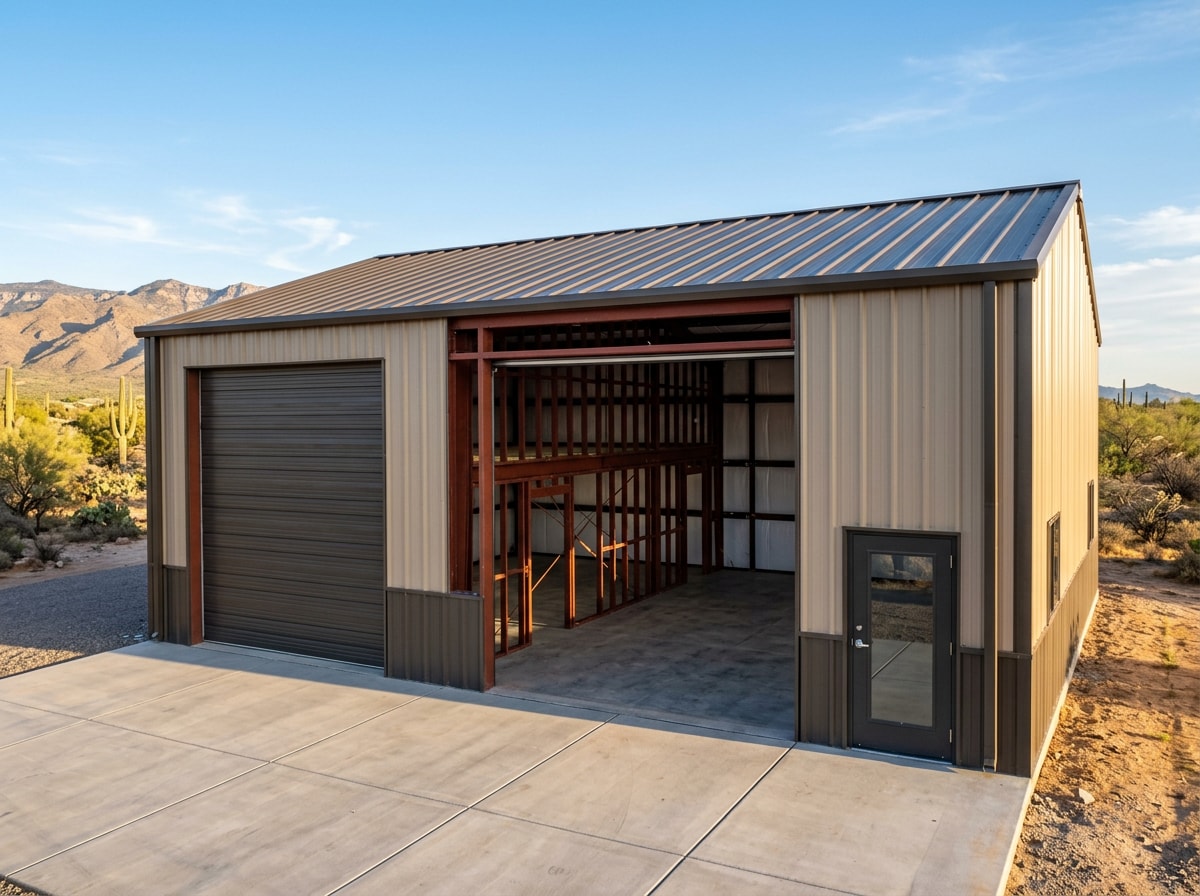
Metal Building Construction
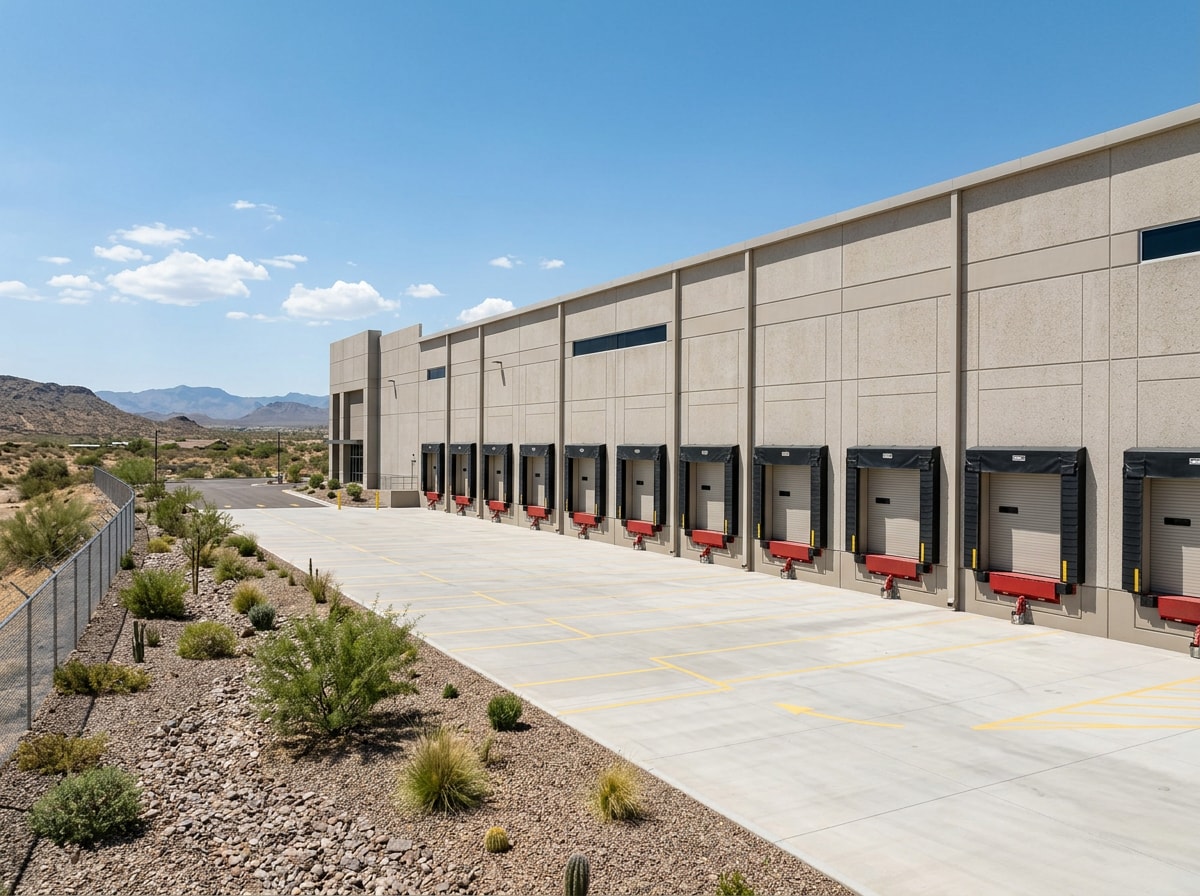
Pre-engineered metal buildings dominate industrial work in Pinal County because they price well per square foot, go up fast, and handle long clear spans.
Typical applications: warehouses, manufacturing space, shops, storage and covered yard structures. Scope runs from design and permitting through foundation prep, erection, insulation, doors and interior fit-out.
The frame is driven by local design criteria, and Pinal County publishes its own. County submittal requirements list a design wind speed of 115 mph, wind exposure category C, seismic design category B, and a minimum roof live load of 20 psf. Those numbers belong in the building manufacturer's order documents before anything is fabricated, because a reorder is measured in months, not days. Engineering practice and technical guidance for these systems come from the Metal Building Manufacturers Association.
Commercial and Industrial Electrical Capacity
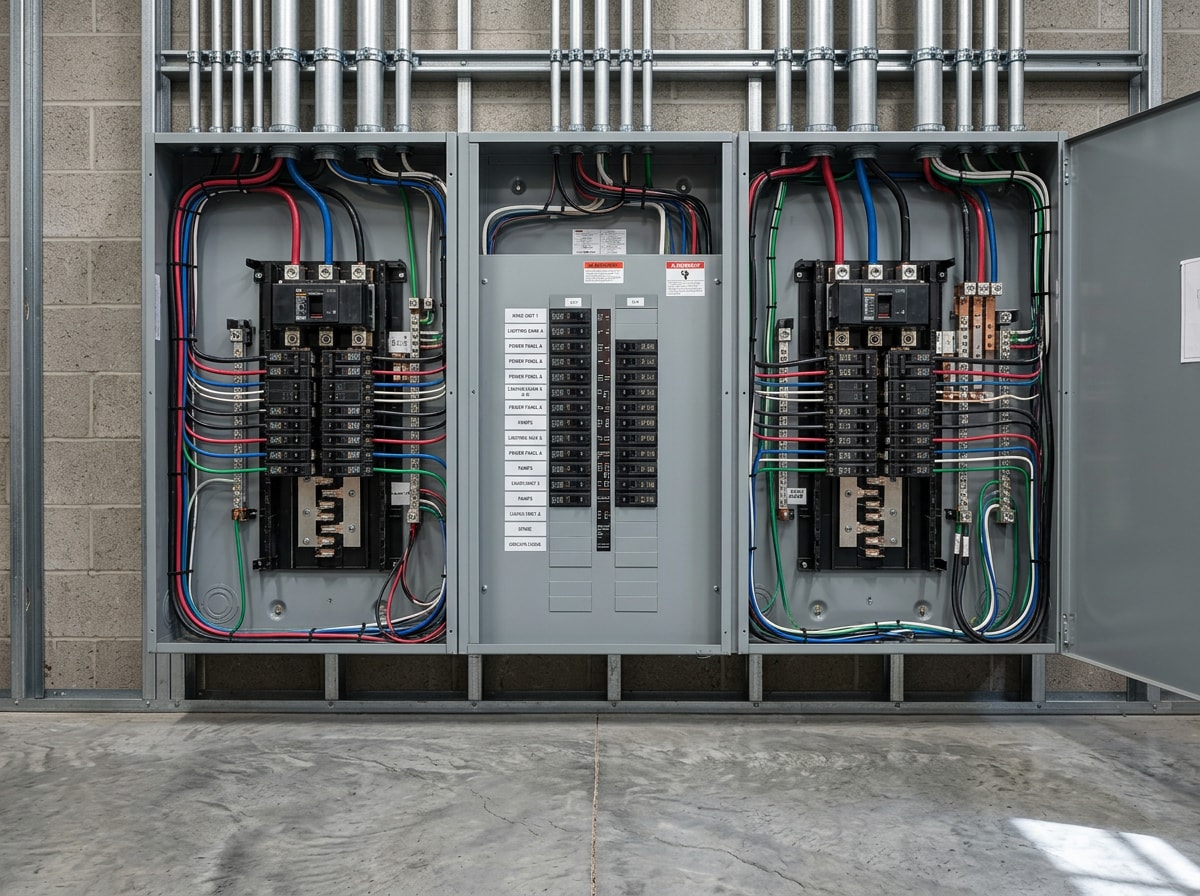
Industrial electrical scope is mostly a capacity question: service and panel sizing, three-phase distribution, feeders for machine loads, high-bay lighting layouts and dedicated circuits for process equipment.
Two practical notes:
- Size the service for the equipment you plan to add in year three, not the equipment you are moving in with. Spare breaker space is cheap at rough-in and expensive later.
Pinal County handles commercial mechanical, plumbing and electrical permits on a separate application , so those approvals have their own clock.
Design-Build vs Design-Bid-Build
| Design-build | Design-bid-build | |
|---|---|---|
| Contracts | One | Two or more |
| Pricing certainty | Earlier, develops with drawings | Later, after full design |
| Change-order exposure | Lower | Higher, gaps land on the owner |
| Competitive bidding | Limited | Strong |
| Best for | Speed, phased occupancy, complex MEP | Fully designed, straightforward scope |
Design-build generally compresses schedule because pricing and drawings develop together. Design-bid-build gets you competitive numbers but hands you the gap between what was drawn and what gets built.
When Water Interrupts an Industrial Operation
Monsoon season and failed roof drains do more damage to Pinal County commercial buildings than most owners budget for. If a building you operate takes on water, drying has to start before reconstruction is even discussed. Our water damage restoration team handles emergency water extraction and structural drying, then rebuilds the affected area under the same contract.
FAQ
Does San Tan Valley issue its own building permits?
No. Most of San Tan Valley is unincorporated Pinal County, so commercial plan review and inspections go through Pinal County Building Safety. A minority of addresses fall inside Queen Creek or Florence town limits, so verify by parcel before submitting.
How long does a commercial permit take in Pinal County?
Published estimates run 45 business days overall for a tenant improvement or a commercial permit of 2,500 square feet or less, 50 days for 2,501 to 50,000 square feet, and 60 days for 50,001 square feet or greater, which also requires third-party review.
The clock starts when the application is accepted as complete.
What license does a commercial contractor need in Arizona?
A commercial contracting classification issued by the Arizona Registrar of Contractors. Residential classifications do not cover commercial or industrial work. Enter the 6-digit license number or the business name on the ROC contractor search to confirm status , and read the classification line, not just the word "active."
What is a tenant improvement?
Customized construction inside a leased commercial space: interior walls, ceilings, flooring, lighting, HVAC distribution, and electrical and plumbing changes that make the shell usable for a specific tenant.
Who pays for tenant improvements?
It depends on the lease. Landlords often provide an allowance in dollars per square foot or deliver turn-key space; otherwise the tenant funds the work. Overage above an allowance is almost always the tenant's.
What is the difference between commercial and industrial construction?
Commercial work serves customer-facing or office use and is finish-driven. Industrial work serves production, storage and logistics, and is driven by structure, clear height, floor loading, power and equipment access. The permitting path is similar; the engineering is not.
Do I need a permit for a tenant improvement?
Almost always, yes. Pinal County treats commercial and tenant improvement permits as their own permit type, and they can be applied for online. A change of occupancy classification adds zoning review on top of building review.
Can you work while my business stays open?
Yes. That means phased zones, after-hours work, temporary partitions, dust control and maintained egress. Say it out loud during preconstruction so it is priced into the schedule rather than discovered later.
How do I get a price for my project?
Send the address, the lease or site documents, and what you intend to do in the space. Get a free estimate and we will walk the building, confirm jurisdiction, and give you a scope-based number instead of a square-foot guess.
---
Written by the Blackridge commercial project team, licensed, bonded and insured general contractors working across Pinal and Maricopa Counties. Questions on a specific parcel or lease? Reach the project team through our contact page.